From innovation to practice: Implementing cancer screening strategy in high‑risk populations in Southern China
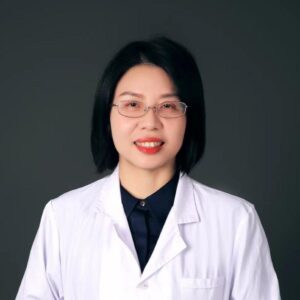
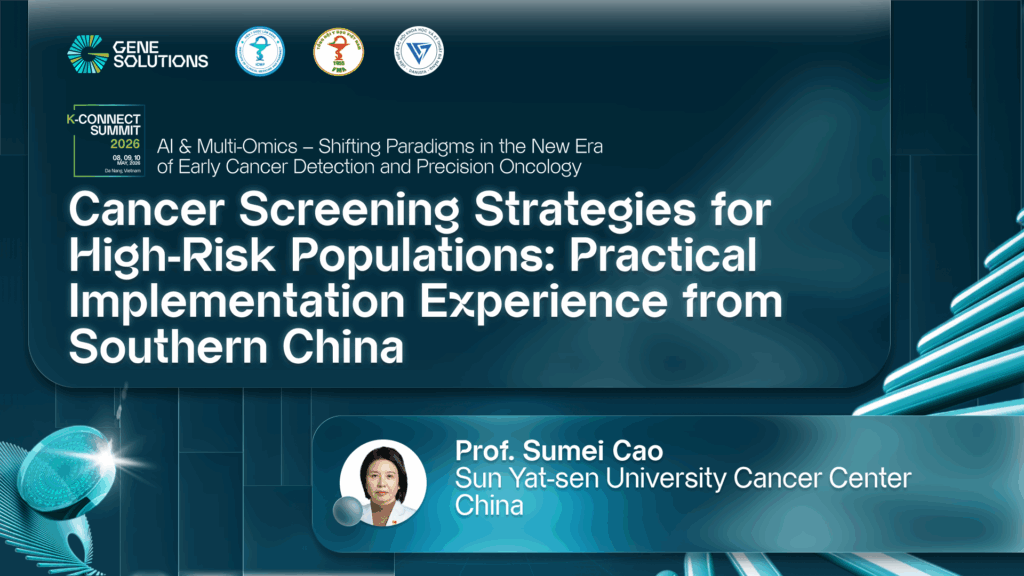
Prof. Sumei Cao (Sun Yat‑sen University Cancer Center, China) broadened the lens to real-world implementation challenges. In large populations with limited healthcare resources, success depends not only on test performance but also on effective system-level allocation of screening capacity, ensuring that the right individuals receive timely and appropriate follow‑up.
Using China’s urban cancer screening program as a practical example, Prof. Cao described a risk-stratified workflow. This model integrates digital tools — such as WeChat mini-programs and structured questionnaires —with clinical pathways: biological testing, and referral of high-risk individuals for confirmatory examinations. The objective is to create an efficient, population-based screening framework that optimizes resource utilization. Looking forward, she highlighted that next-generation screening technologies such as ctDNA-based MCED test could become a powerful complement in such systems by improving risk stratification. Her forward-looking perspective was captured succinctly in the statement: “As one of the new technologies, I think multi‑cancer early detection technology might be a very efficient way.”
<iframe width="560" height="315" src="https://www.youtube.com/embed/-SJyxe0TPp8" title="Cancer Screening Strategies for High-Risk Populations: Practical Implementation Experience from SC" frameborder="0" allow="accelerometer; autoplay; clipboard-write; encrypted-media; gyroscope; picture-in-picture; web-share" referrerpolicy="strict-origin-when-cross-origin" allowfullscreen></iframe>